Plan Your Meals
Deciding what to eat before you are hungry removes the temptation to reach for whatever is quickest. Spend fifteen minutes on Sunday sketching out a loose meal plan for the week and a short shopping list.
Cook at Home More Often
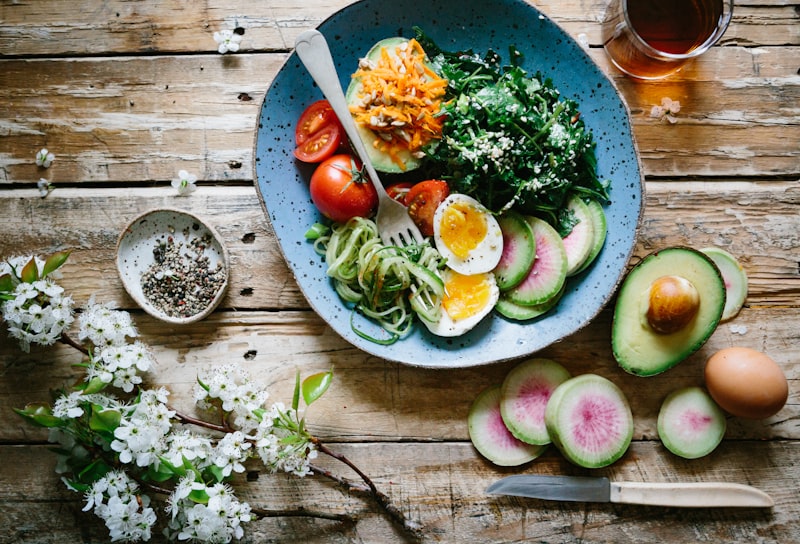
Home-cooked meals are typically lower in salt, sugar, and unhealthy fats than restaurant or takeaway food. Simple preparations like roasted vegetables, soups, and grain bowls come together in under thirty minutes.

Read Labels
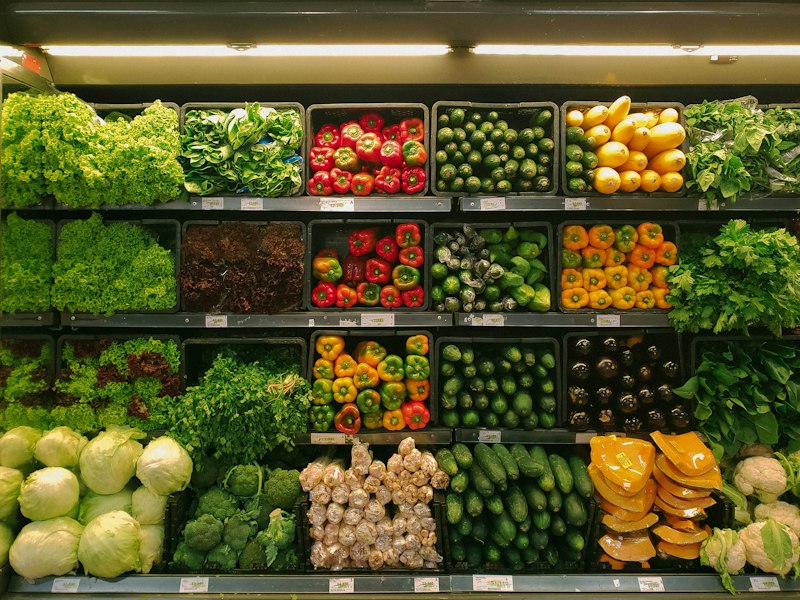
Packaged food often contains more sugar, sodium, and saturated fat than it appears. Check the ingredients list: the shorter it is, and the more recognisable the ingredients, the better the choice tends to be.
Do Not Skip Breakfast
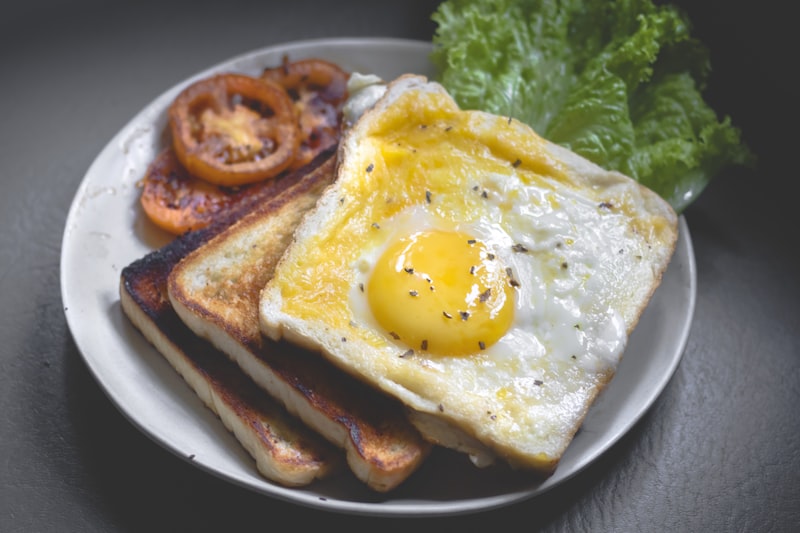
A balanced breakfast with protein and fibre — such as eggs with wholegrain toast or oats with nuts — keeps blood sugar stable and reduces mid-morning cravings.
Limit Added Sugar
Sugary drinks, including fruit juice and flavoured coffees, are one of the largest sources of excess calories. Replace them with water, plain sparkling water, or unsweetened herbal tea.

Eat Slowly and Mindfully
The stomach takes about twenty minutes to signal fullness to the brain. Eating slowly, without screens, makes it easier to recognise when you have had enough and makes meals more satisfying.
Keep Healthy Snacks Visible
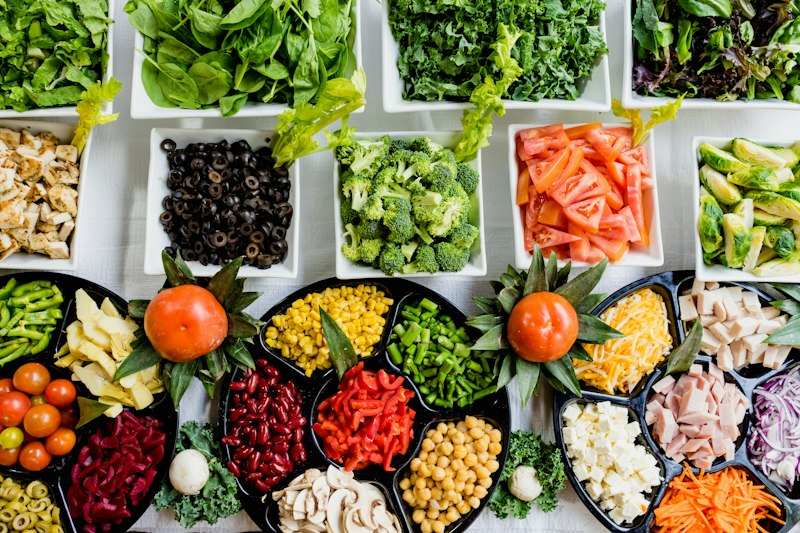
Place a bowl of fruit on the counter, pre-cut vegetables in the fridge, and a jar of nuts within reach. When healthy food is the most convenient option, you will default to it without thinking.
Treat Yourself Without Guilt
Rigid restriction tends to backfire. Enjoying a favourite dessert or a meal out occasionally is part of a balanced life. What matters is the overall pattern, not any single meal.